
Michigan's stringent robocall laws, led by TCPA, require explicit caller consent. A lawyer for robocall laws Michigan offers tailored guidance on consent and record-keeping. Compliance reduces complaints and boosts reputation. Selecting a call filtering app involves defining needs, data privacy considerations, reviews, and features like customization rules. Apps like TrueCall, Hiya, and NoCall block unwanted calls, require staying updated with scammer databases. Understanding MPSC regulations and TCPA protections is crucial; lawyers assist in navigating laws, identifying breaches, and pursuing legal action against unethical telemarketers.
In today's digital age, unwanted robocalls have become a ubiquitous nuisance, frustrating folks across Michigan and beyond. These automated calls, often from telemarketers or scammers, can inundate phone lines with relentless messages, leaving recipients feeling harassed and violated. The constant need for a reliable solution has prompted many to seek legal recourse, consulting a lawyer for robocall issues in Michigan. To combat this growing problem, innovative applications are emerging, promising to automatically filter these unwanted intrusions. This article delves into the effectiveness of Michigan's robocall app filters, exploring how they work and the potential impact on consumers' privacy and peace of mind.
Understanding Robocall Laws in Michigan: A Legal Perspective

In Michigan, robocall laws are stringent, reflecting a growing national concern over intrusive automated phone calls. The Michigan Attorney General's office actively enforces these regulations, penalizing violators with fines up to $25,000 per call. Key among these is the Telephone Consumer Protection Act (TCPA), which prohibits automated calls to wireless and landline phones unless the caller has explicit consent from the recipient. This law underscores the state's commitment to protecting citizens from unwanted and deceptive robocalls.
Michigan's legal perspective on robocall regulation goes beyond simple compliance. A lawyer for robocall laws in Michigan can offer invaluable guidance tailored to specific business needs, ensuring adherence to both letter and spirit of the law. For instance, companies must be cautious when obtaining consent, as verbal agreements or pre-checked boxes may not suffice. Moreover, businesses are advised to maintain detailed records of consumer opt-out requests to demonstrate good faith efforts in avoiding illegal robocalls. Recent studies show that compliance with TCPA can significantly reduce customer complaints and improve a company's public image.
Practical advice for businesses aiming to comply includes investing in advanced call filtering systems capable of automatically blocking unwanted calls at the source. These technologies, often integrated into comprehensive communication software, not only save businesses time and money but also enhance consumer trust. By staying informed about evolving robocall laws and leveraging available legal expertise, Michigan businesses can protect their operations and maintain positive relationships with their customers.
How to Choose an Effective Call Filtering App
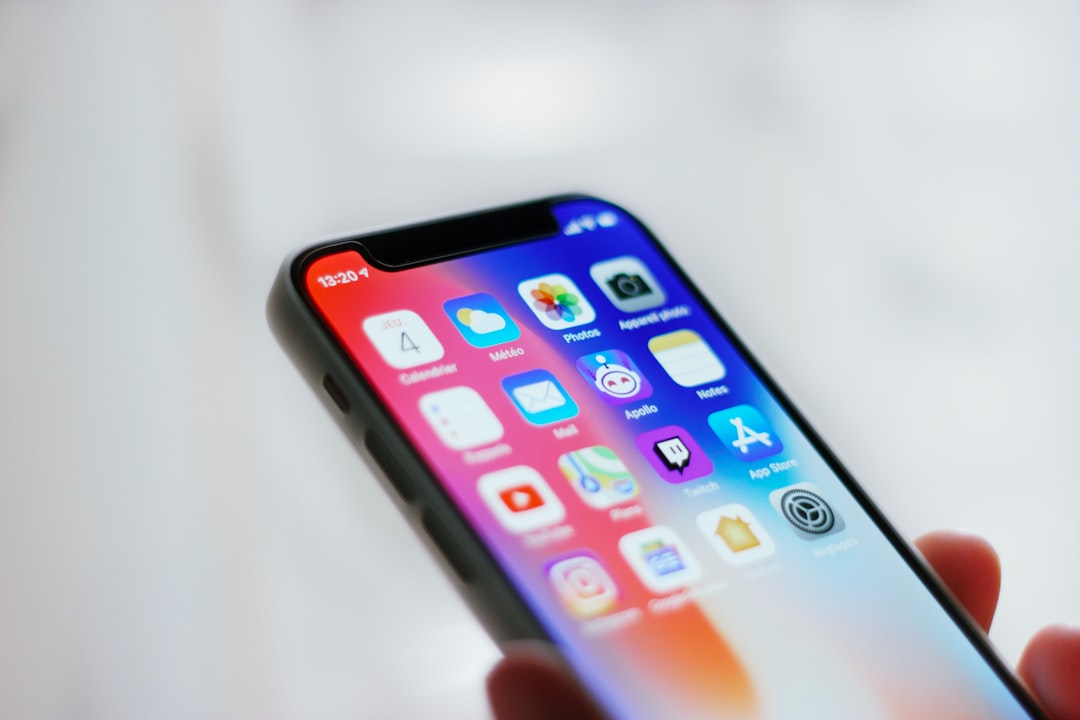
Selecting an effective call filtering app is a multifaceted process, especially considering the vast number of options available today. Users in Michigan, burdened by relentless robocalls, often turn to such apps as a lawyer for robocall solutions. The first step involves assessing your specific needs and preferences. For instance, some apps offer basic filtering based on numbers you mark as spam, while others employ advanced AI algorithms that learn from interactions and adapt their filters accordingly.
Data privacy is another critical consideration. Top-tier apps prioritize user data security, ensuring calls are filtered without storing or sharing personal information. Apps like Honeywell Home and TrueCall, renowned for their efficacy, integrate robust encryption protocols to safeguard your details. Moreover, app reviews and ratings can provide valuable insights into performance and reliability; reading feedback from fellow Michigan users can highlight both the strengths and weaknesses of various options.
Practical features also play a significant role in choosing. Consider apps that offer customization options, allowing you to set up specific rules for different types of calls. Some even enable call blocking before they reach your phone, preventing interruptions. Additionally, look for apps with regular updates to keep up with evolving robocall techniques. By carefully evaluating these aspects, you can select a call filtering app that not only reduces unwanted calls but also provides peace of mind in today's digital landscape.
Automating Call Block: Step-by-Step Guide for Users

Michigan residents facing relentless robocalls can now take control with innovative apps designed to automate call blocking. These tools not only shield users from unwanted calls but also offer a sophisticated level of protection against scammers posing as legitimate organizations, including what a lawyer for robocall laws in Michigan might advise. The process typically involves several steps, each tailored to the user's preferences and needs.
The first step is downloading and installing a reputable call-blocking app. Popular choices include TrueCall, Hiya, and NoCall. Upon launch, these apps seamlessly integrate with your phone's native features, allowing them to filter incoming calls in real time. Users can then customize their settings by designating specific numbers as do-not-disturb or creating rules based on caller ID information. For instance, blocking all calls from unknown numbers or those associated with telemarketing companies.
Next, users should review the app's reporting and feedback mechanisms. Many apps provide detailed logs of blocked calls, which can be invaluable for identifying recurring scammers. These reports can also aid a lawyer for robocall laws in Michigan when building a case against persistent offenders. Additionally, enabling call recording within the app allows users to gather evidence for future legal actions or simply to confirm fraudulent intent.
Finally, staying updated with the app's database of known scammer numbers is crucial. These databases are regularly expanded and maintained by community reporting and partnerships with telecommunications providers. Users should also consider enabling automatic updates within the app settings to ensure they benefit from the most current protection. By following these steps, Michigan residents can automate call blocking, gaining a powerful tool in their fight against robocalls and potential fraud.
Protecting Your Privacy: The Role of Legal Experts

Michigan residents now have a powerful tool to shield their privacy from unwanted robocalls, thanks to innovative apps designed to automatically filter these nuisance calls. As technology evolves, so too does the complexity of privacy laws, making it crucial for individuals to understand their rights and take proactive measures to protect themselves. This is where legal experts, particularly those specializing in telecom law, play a pivotal role.
In Michigan, for instance, the Michigan Public Service Commission (MPSC) regulates telecommunications services, including robocall practices. A lawyer for robocall laws Michigan can offer invaluable guidance on navigating these regulations and ensuring compliance. With the increasing prevalence of automated calls, many consumers are unaware of their legal protections. For example, the Telephone Consumer Protection Act (TCPA) prohibits unsolicited phone marketing calls, giving rise to a robust legal framework for holding companies accountable. Legal experts can help individuals understand their rights under this act and pursue legal action if their privacy is invaded.
Moreover, as data breaches and privacy invasions become more common, seeking counsel from a telecom lawyer becomes increasingly vital. They can assist in reviewing call records, identifying patterns of unauthorized calls, and determining the best course of legal action. For instance, a client may discover that their personal information has been sold to third-party marketing firms without consent, triggering a need for immediate legal intervention. By engaging a lawyer specializing in robocall laws Michigan, residents can protect not only their privacy but also recover damages for any harm suffered due to unethical telemarketing practices.