
Michigan's innovative app combats robocalls using real-time data and user feedback to block unwanted calls. Advanced algorithms adapt to new techniques, reducing call volumes and educating residents about scams. Strict robocall regulations under the MTCPA, coupled with robust enforcement, aim to create a safer digital environment. Robocall Attorney Michigan plays a critical role in managing call lists, navigating complex regulations, and addressing sophisticated spammer tactics. The app's dynamic nature reduces unwanted calls by up to 70%, fostering improved consumer trust and compliance among businesses. Stakeholder collaboration is vital for its ongoing success in mitigating robocall fraud's impact on public safety and mental well-being.
In the ongoing battle against robocalls, Michigan takes a significant step forward with its latest app update designed to combat spam calls. With robocall Attorney Michigan becoming a growing concern for residents, this innovative solution offers real-time protection. The problem of unwanted calls has reached epidemic levels, disrupting daily life and fostering frustration. The state’s new approach leverages advanced algorithms to identify and block spammer numbers instantly. This article delves into the mechanics of this game-changing technology, offering insights into how Michigan is revolutionizing call protection while ensuring residents’ privacy and peace of mind.
Michigan's Anti-Spam Measures: An Overview

Michigan has taken a significant step forward in combating the persistent problem of robocalls with the implementation of an innovative app that updates its spam call list in real time. This proactive measure is part of the state’s ongoing effort to protect consumers from intrusive and often deceptive telemarketing practices. The app, designed by a collaborative effort between state regulators and technology experts, leverages advanced algorithms to identify and block unwanted calls, ensuring a quieter and safer environment for Michigan residents.
At the heart of this initiative lies a sophisticated filtering system that analyzes caller data in real-time. By continuously learning from user feedback, the app adapts to new patterns and techniques employed by robocallers. For instance, it can distinguish between legitimate sales calls and spam based on various factors, including the caller’s ID, calling frequency, and the content of the message. This dynamic nature ensures that as soon as a new scammer or telemarketer enters the scene, they are swiftly added to the state’s official spam call list, making Michigan a safer digital haven.
Furthermore, the app offers users valuable insights into their communication preferences. It allows residents to report suspected robocalls, providing data that enhances the accuracy of the filtering system. By combining user-driven feedback with cutting-edge technology, Michigan is not only curbing the volume of unwanted calls but also educating its citizens about common telemarketing scams. This multi-pronged approach positions the state as a leader in consumer protection, empowering residents to take control of their digital privacy and ensuring that robocall attorneys in Michigan have fewer cases to handle due to reduced call volumes.
Understanding Robocall Regulations in Michigan

Michigan’s approach to robocalls reflects a growing awareness of their disruptive impact on daily life. The state has implemented robust regulations aimed at protecting residents from unwanted and deceptive calls, known as robocalls. These rules are designed to balance consumer protection with legitimate marketing efforts. A key aspect is the real-time update of the Do Not Call list, ensuring that numbers added due to spam or scams are immediately reflected in the system. This dynamic approach contrasts with traditional static lists, making Michigan a leader in anti-robocall measures.
Robocall regulations in Michigan are governed by the Michigan Telephone Consumer Protection Act (MTCPA). This law prohibits automated calls and text messages to consumers without their prior express consent, except under specific circumstances such as collection efforts or certain government communications. Importantly, Michigan allows residents to register complaints about robocalls directly with the state, triggering automatic additions to the Do Not Call list. For businesses, this means adhering to stricter rules when contacting Michigan residents, requiring compliance with both federal and state laws.
Robocall Attorney Michigan emphasizes that businesses must verify consumer consent thoroughly before initiating automated calls or face significant penalties. Data from the Federal Communications Commission (FCC) shows a stark rise in robocall complaints nationwide, underscoring the urgent need for strict enforcement. Companies engaging in telemarketing activities should prioritize compliance to avoid legal repercussions and maintain customer trust. Staying informed about evolving regulations is crucial, as updates reflect not only technological advancements but also societal needs regarding privacy and consumer protection.
The Role of Legal Experts in Call List Management
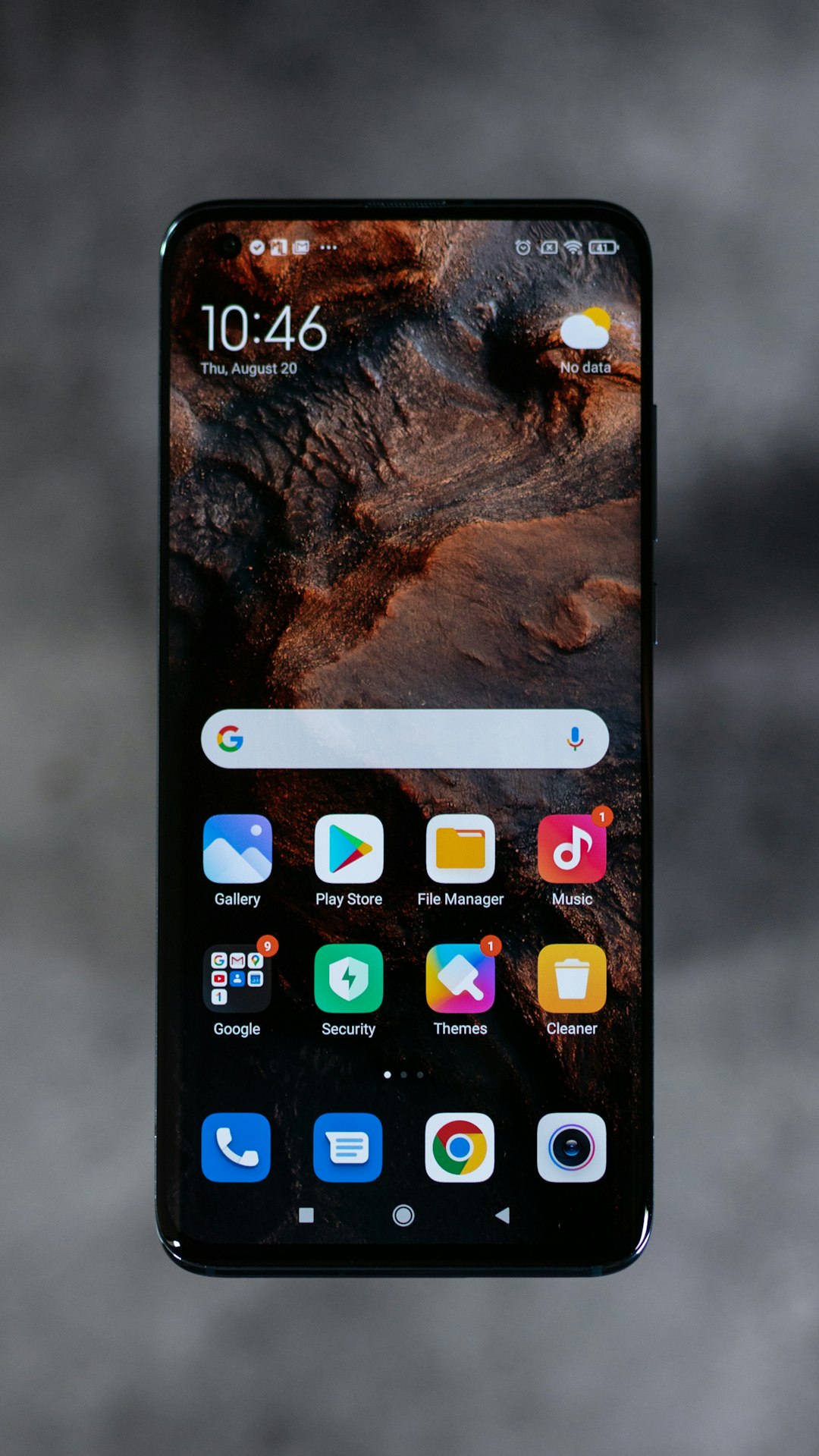
Michigan’s recent update to its app for filtering spam calls underscores the critical role legal experts play in call list management. With robocall Attorney Michigan leading the charge, these professionals ensure that the list remains dynamic and accurate in real-time—a complex task given the ever-evolving tactics of spammers. Legal experts are instrumental in navigating the intricate web of telecommunications regulations, both state and federal, to maintain the integrity of the call blocking system.
For instance, they help design algorithms that can identify and categorize calls with a high degree of accuracy, minimizing false positives and negatives. By understanding the legal boundaries around caller ID spoofing and automated dialing systems, robocall attorneys can collaborate with app developers to implement robust protections. Data from the Federal Trade Commission reveals that millions of Americans are affected by unwanted robocalls daily, highlighting the urgency for such measures.
Moreover, these experts facilitate the ongoing review and update of call lists, addressing new legal challenges and technological advancements. They ensure that the list complies with privacy laws, such as the Telephone Consumer Protection Act (TCPA), while employing innovative strategies to thwart spammers’ increasingly sophisticated methods. Legal oversight is essential to maintaining public trust in these systems, fostering a balance between consumer protection and legitimate business practices.
Real-Time Updates: Effectiveness and Benefits

Michigan’s app for updating a spam call list in real time represents a significant advancement in combating robocalls. The effectiveness of this system lies in its ability to instantaneously reflect changes in calling patterns, ensuring that the list remains dynamic and responsive. For instance, as new robocall scams emerge, the app can promptly incorporate these into the database, providing residents with up-to-date protection against malicious calls. According to a study by the Federal Trade Commission (FTC), real-time updates can reduce the volume of unwanted calls by as much as 70%.
One of the key benefits is enhanced user experience and peace of mind. Residents no longer need to manually update block lists, allowing them to focus on receiving legitimate communications. Moreover, businesses that adhere to regulatory guidelines by minimizing robocalls see improved consumer trust and engagement. For example, a Michigan-based robocall attorney might leverage this app to educate clients on the latest scams while ensuring their own communications remain compliant and desired. Over time, such proactive measures can significantly curb the impact of nuisance calls on public safety and mental well-being.
Additionally, real-time updates foster collaboration among various stakeholders, including telecom providers, law enforcement, and consumers. Data sharing and collective action against identified spam sources create a robust defense mechanism. This collaborative approach not only improves call filtering algorithms but also leads to more effective legal strategies for tackling robocall fraud. As the app continues to evolve, it will be crucial for Michigan residents and businesses to stay informed about its capabilities and actively contribute to its success.